
Thread became tale.
Stitch became story.
How do you honour a centuries-old storytelling tradition? You listen to the women who created it. This is how nakshi kantha embroidery inspired a children's book.
.png)
Artisans
Event Participants
Books Produced
WE EXPLORED
Threads of Tales is a project funded by the British Council's International Collaboration Grant, exploring nakshi kantha as a living storytelling tradition. Bok Bok Books collaborated with HerStory Foundation, who guided our research through the works of nakshi kantha scholars such as Niaz Zaman and Perveen Ahmed, and through personal and institutional archives, helping us explore rich collections of nakshi kantha.
Meeting Cathy Stevulak in Bangladesh connected us to Suraiya Rahman’s legacy. Rahman, the pioneering artist who elevated nakshi kantha from domestic craft to fine art, is the subject of Stevulak’s documentary Threads. We studied nakshi kantha not to translate its stories (which often serve as personal journals) but to understand and capture the storytelling practices of the women who create them, their purposeful artistry, and their visual language.
WE TRANSLATED
Through workshops at Dhaka Makers and the Faculty of Fine Arts at Dhaka University, we explored a creative challenge: how do you translate embroidery into print illustration? Participants showed us how nakshi kantha's aesthetic—rhythmic stitching, unique compositions, and layers of symbolism—could inspire visual narrative techniques for a children's books. The energy in the room made one thing clear: this tradition isn't frozen in the past. It is alive, evolving, and ready to cross new borders.
WE CREATED
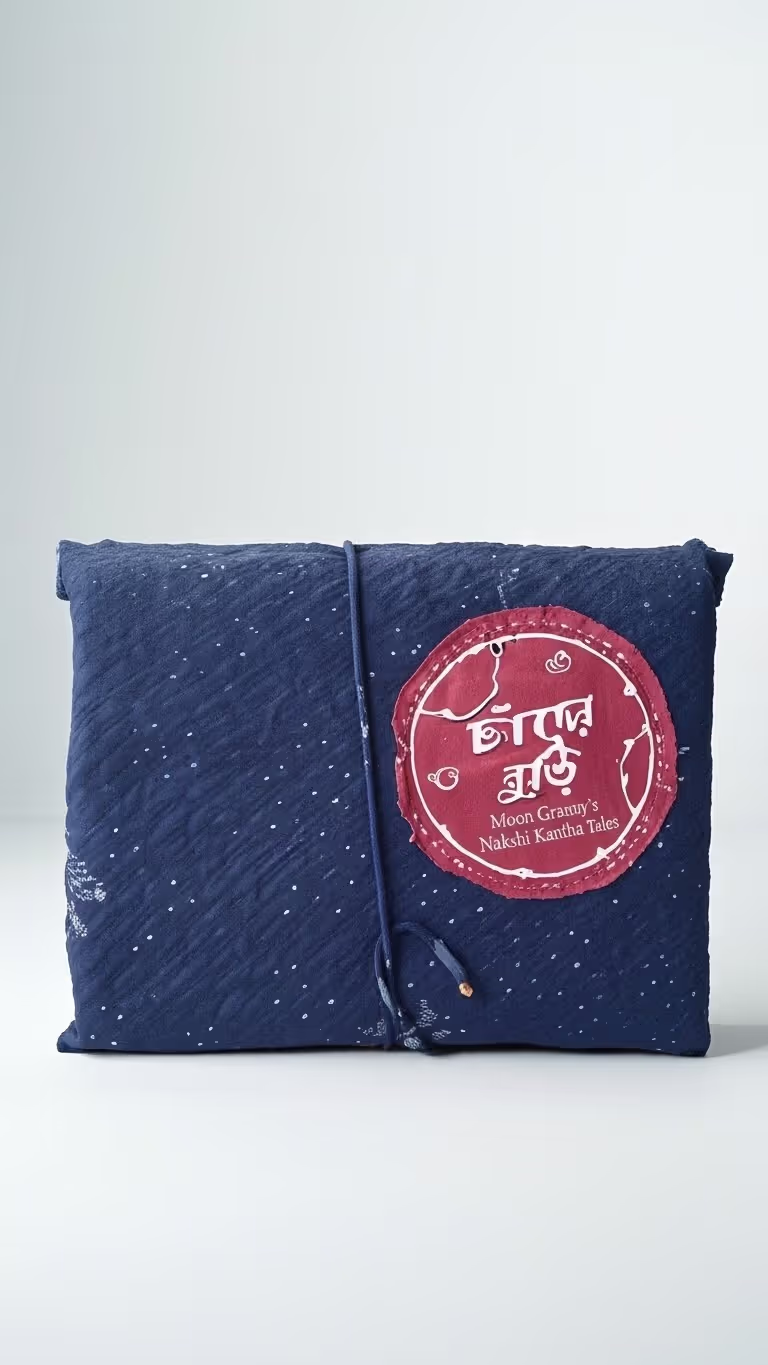
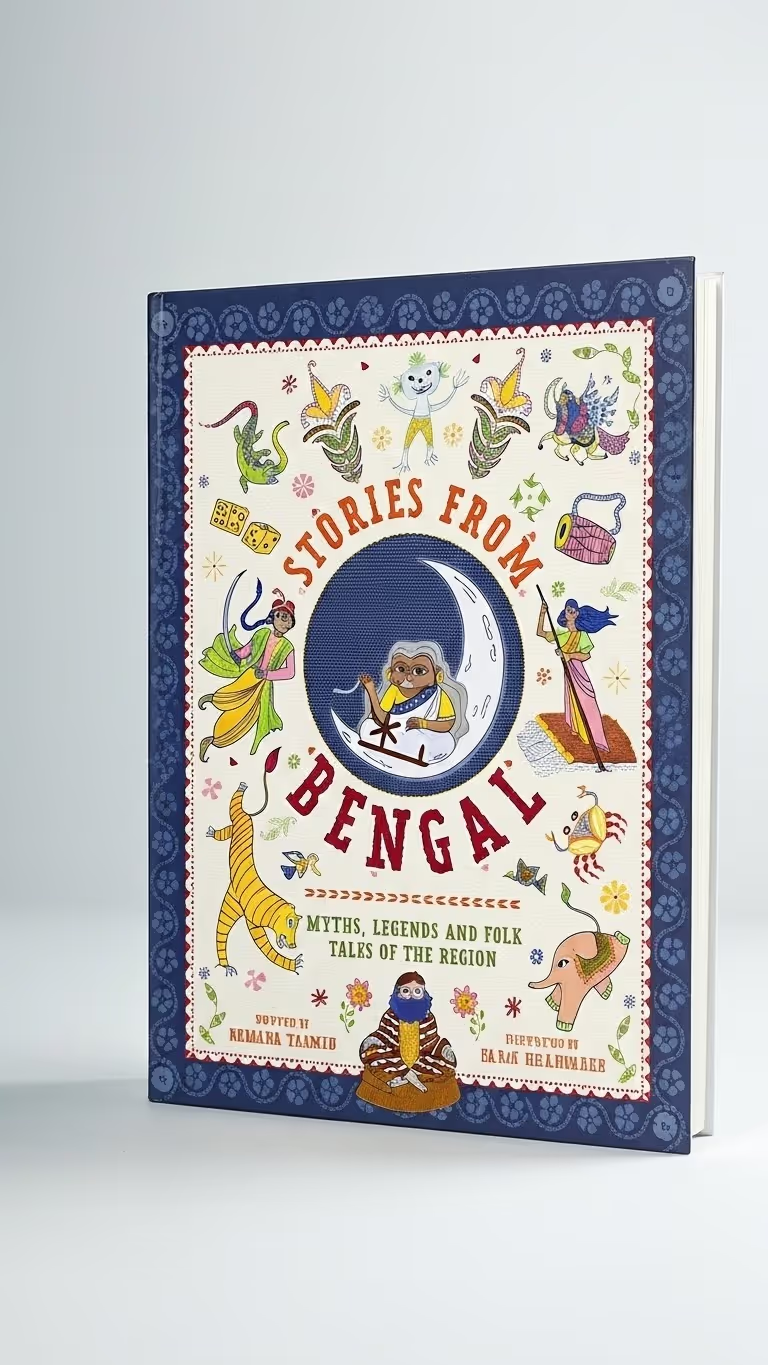
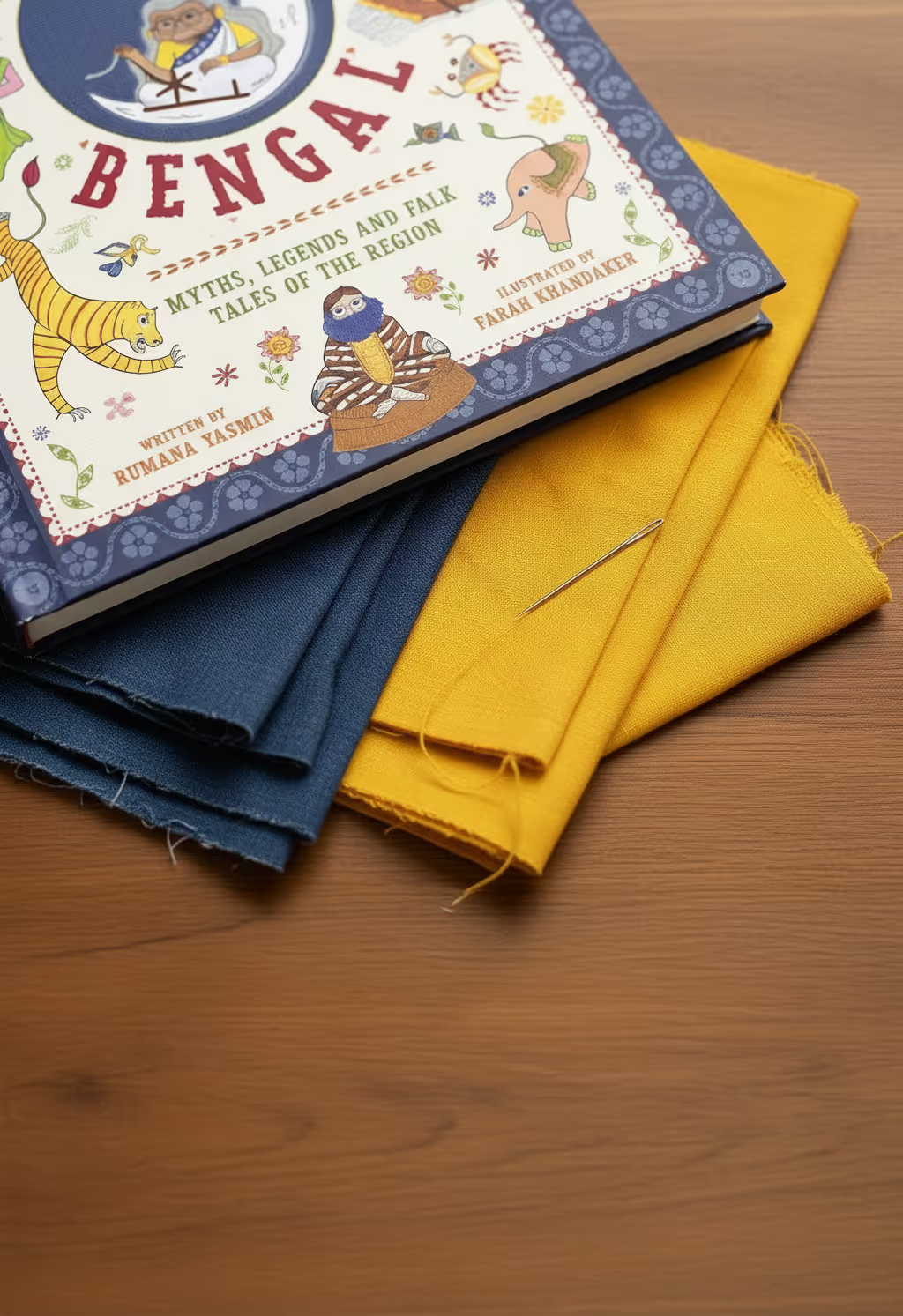
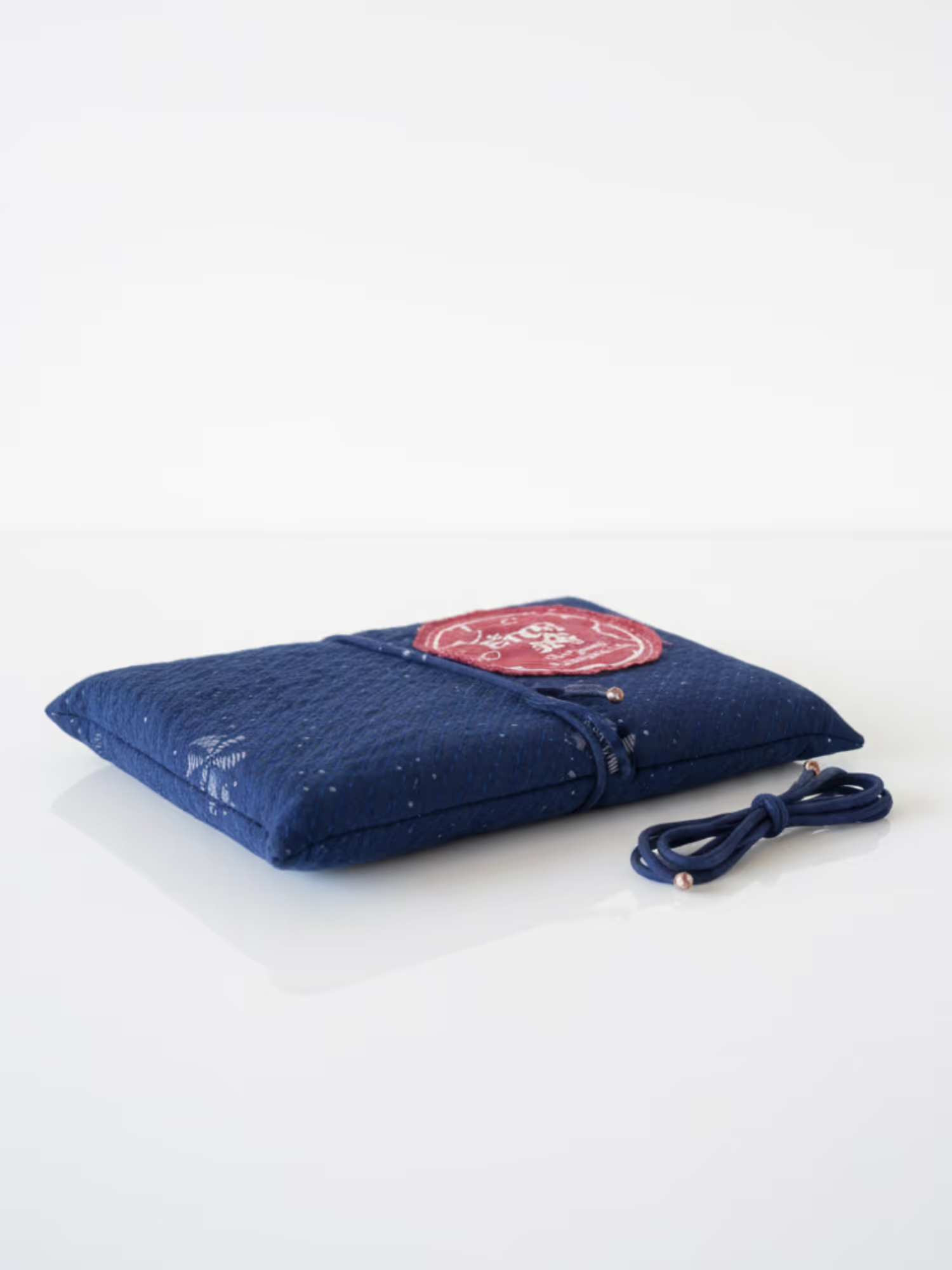
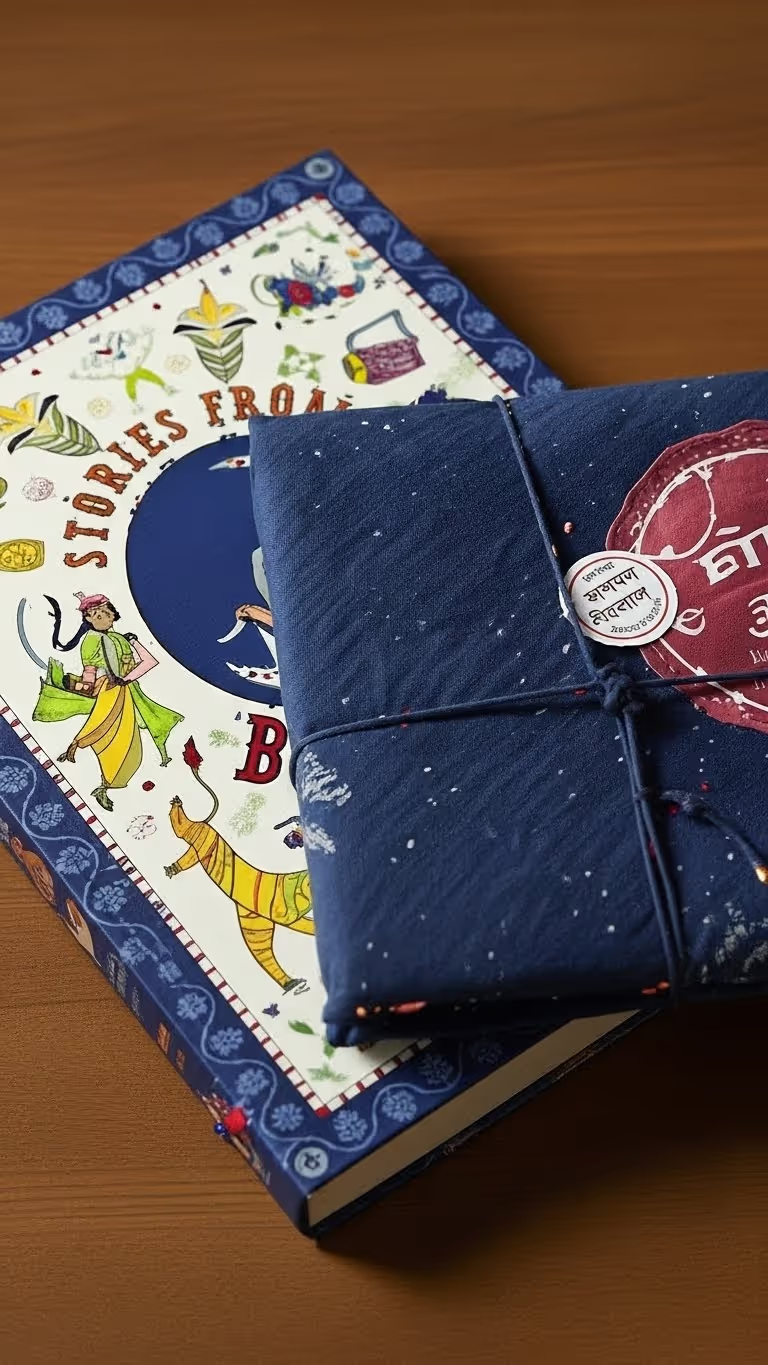
Two books emerged from this collaboration. HerStory Foundation created 200 hand-embroidered story prompts, showcasing naskhi kantha techniques and motifs. Bok Bok Books created Stories from Bengal - Myths, Legends and Folk Tales of the Region, a printed children's book of Bengali folklore, crafted with close attention to nakshi kantha’s vocabulary of stitches, its narrative purpose, and the ways women have historically used cloth as a medium for memory and meaning.
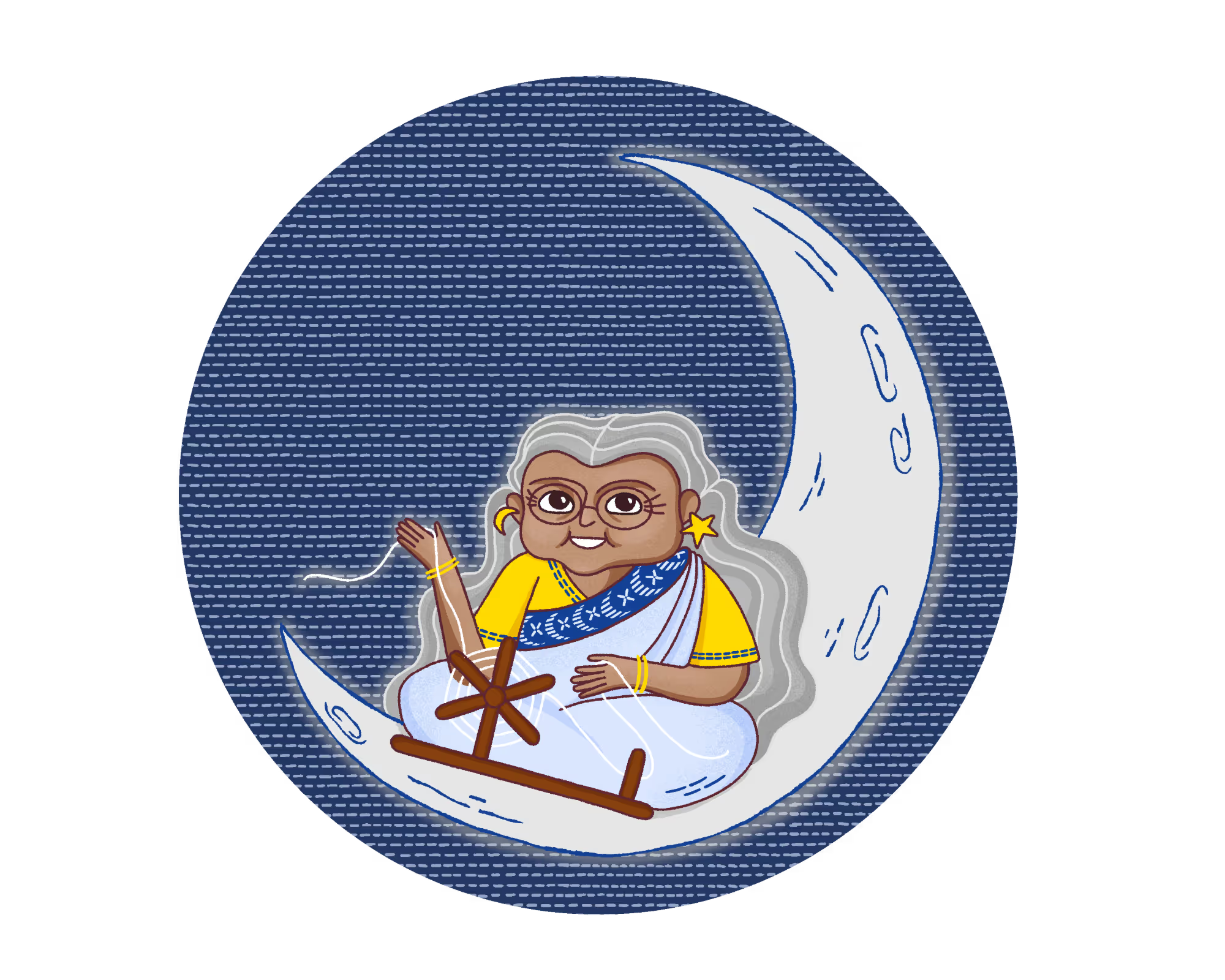
The two books speak to each other. Both are guided by the central character, Chaader Buri, the storytelling grandmother who lives on the moon. In HerStory's embroidered story prompts, she appears as a guardian spirit who watches over the stories stitched by women. In the printed book, she becomes the reader’s companion, introducing each tale and inviting children into Bengal's world of myths, ghosts, and magical creatures.

From Research to Creation
Here's how our insights on nakshi kantha transformed our approach to Bengali folklore.
Voices in Thread
Nakshi kantha isn't just for decorative purpose. The craft is a subtle act of documentation. Women stitched what they saw: everyday objects and daily rituals, but also inequality and social upheaval. Scholars Niaz Zaman and Perveen Ahmed reveal these as historical records created by those whose voices are often excluded from official narratives. Our central character, Chaader Buri, honours this legacy: women as observers, record keepers, storytellers.
Purposeful Artistry
Nakshi kantha occupied a unique space: domestic craft that evaded scrutiny. Within "acceptable" women's work, makers embedded their social commentary, practical advice, critiques of injustice, and preserved cultural practices colonialism tried to erase. Scholars like Zaman and Ahmed show how women leveraged the perception of needlework as harmless, transforming textiles into subtle yet powerful acts of resistance and storytelling.
Visual Vocabulary
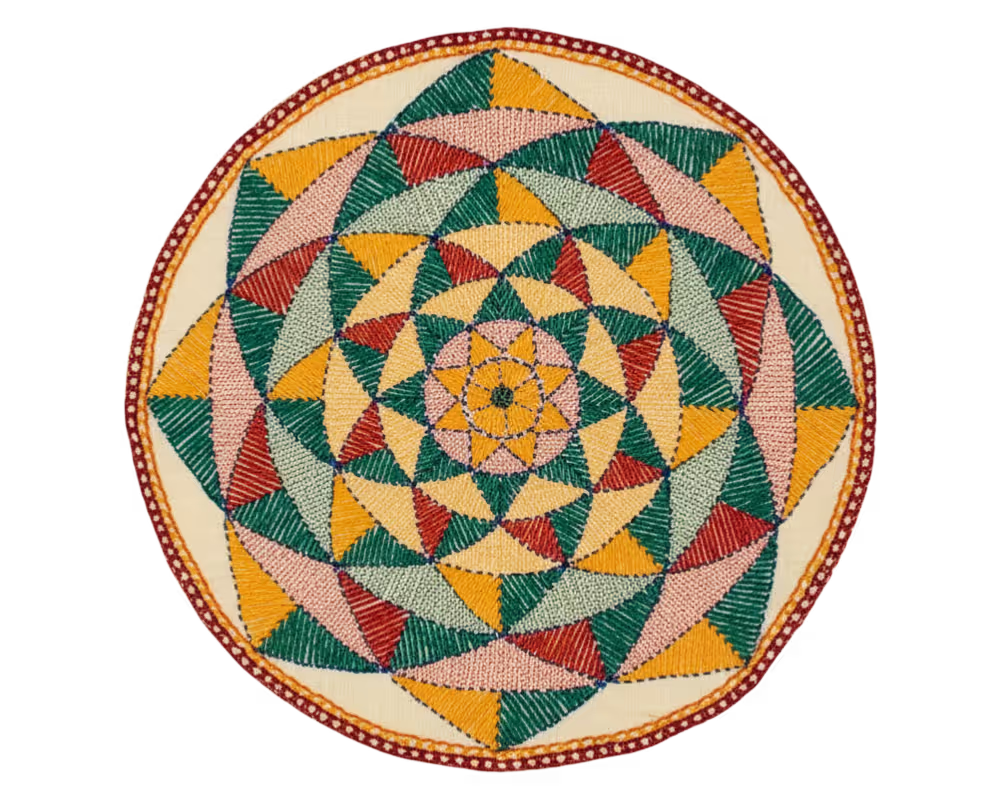
Every element of Nakshi Kantha is intentional: a tree of life in the corner symbolises fertility, while fish represent abundance and good fortune. Dense stitching in certain areas creates texture and visual movement, drawing the viewer’s attention. Border patterns form protective boundaries. As Zaman and Ahmed document, these compositional choices weren’t beautiful accidents - they were deliberate narrative strategies used to communicate visually.
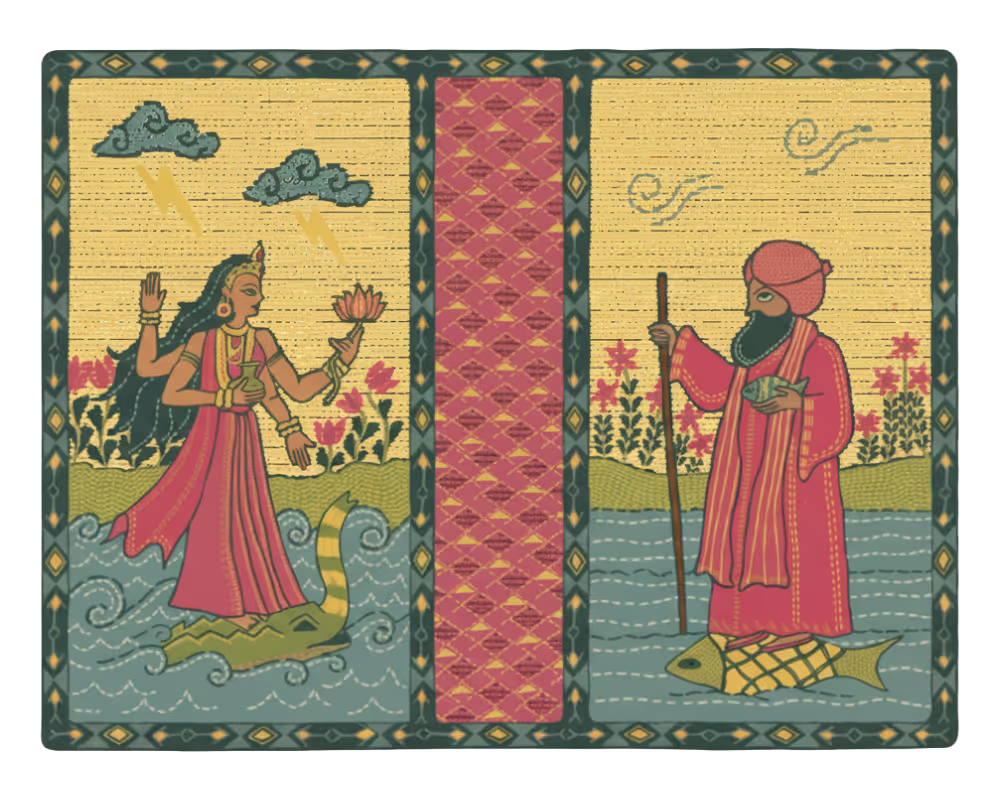
See how elements of nakshi kantha inspired Bok Bok Books' Stories from Bengal.
Fish
Symbols of abundance and fertility—women stitched fish to invoke blessings for prosperity.
Led us to river folklore: Ganga Ma's life-giving currents, Khwaja Khizr's protection, boatmen's songs.
Lotus
The lotus symbolises the very source of being.
Guided us to Bengali creation stories: the Chakma cosmic egg, Santal birds, Khasi goddesses sculpting mountains.
Shared Sacred Imagery
Mosques and Hindu raths (chariots) stitched together, reflecting Bengal's tradition of religious coexistence.
Led us to Shotyo—called both Norayon (Hindu god) and Pir (Muslim saint). Same figure, two faiths.
Protective Borders
Edge stitching creates safe boundaries, warding off evil.
With protection established, we could safely invite Bengal's ghouls: Petni, Shakchunni, Mechho Bhoot—a proper feast.
Shostir Chinno
The ancient swastika meaning "all is well" brings protection and good fortune.
Led us to guardian figures like Bonbibi Ma, protector of the Sundarbans, who keeps travelers safe.
Dense Stitches
Innumerable disciplined stitches express shakti—the strength and power of women who stitch.
Led us to Behula, who refused to surrender—traveling six months across dangerous rivers to save her husband.
.png)


Two Books, One Vision.
This collaboration produced two distinct books—each honouring nakshi kantha in its own way. Both preserving Bengali storytelling for future generations.
500+
Courses completed
Over 500 courses successfully completed every month.
10,000+
Active users
Trusted by thousands of professionals worldwide.
The Grant
This project was made possible through the British Council's International Collaboration Grant, fostering creative partnerships between UK and Bangladeshi cultural organisations.


Thread By Thread
Understanding the craft behind the collaboration
What is nakshi kantha?

How long does a nakshi kantha take?
Why does this tradition need preserving?
How does this project support artisans?
What's the future of nakshi kantha?
Stories From Bengal arrives 2026.
Thank you for being part of this journey.
Pre-order coming soon